
PIPELINE HEAT MONITORING (FUEL-OIL)
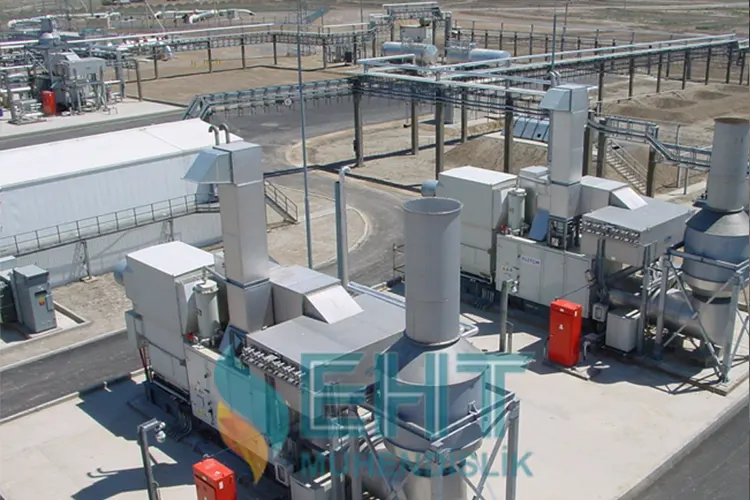
Fuel-oil pipeline heat monitoring systems are critical systems used to regulate and monitor the temperature of fuel transported through pipelines. These systems are important to prevent freezing and maintain fluidity, especially in winter and cold climates. Below is detailed information about the working principles, components and advantages of fuel-oil pipeline heat monitoring systems.
Working Principles
Fuel-oil pipeline heat monitoring systems operate by using heating cables or pipe jackets wrapped around the outside of the pipelines. These systems maintain the temperature at a certain level along the pipelines using electrical energy. Heating cables provide heat transfer by directly contacting the surface of the pipeline, thus preventing the fuel from freezing. These systems work integrated with thermostats and control units that continuously monitor the temperature inside the pipelines.
Components
- Heating Cables: Heating cables prevent the fuel inside the pipeline from freezing by wrapping around the surface of the pipeline. These cables work by converting electrical energy into heat. Thermostats and Control Units: These are devices that constantly monitor the temperature and activate or deactivate the heating cables when necessary. In this way, the temperature of the fuel in the pipeline is constantly kept at the optimal level.
- Insulation: Insulation materials are applied to the pipelines to prevent heat loss and increase energy efficiency. Insulation protects the heat by preventing contact with the cold air outside the pipeline.
- Power Supply and Distribution Systems: These are electrical systems that enable the operation of heating cables and control units. These systems distribute electrical energy safely and efficiently.
Areas of Use
Fuel-oil pipeline heat monitoring systems are widely used in various industries:
- Petrochemical Industry: Used in the transportation of fuel-oil, chemicals and other petrochemical products. Heat monitoring systems are critical to prevent these products from freezing.
- Power Plants: Heat monitoring systems are used to prevent pipelines from freezing during the transportation of fuels to power plants.
- Industrial Facilities: Heat monitoring systems are used to maintain the fluidity of the fuel during the transportation and storage of fuels in various industrial facilities.
Advantages
- Energy Efficiency: Heat monitoring systems optimize energy consumption and make fuel transportation more efficient.
- Freeze Prevention: Prevents fuel in pipelines from freezing and losing fluidity, which ensures uninterrupted operations.
- Cost Savings: Preventing fuel from freezing and damage to the pipeline, saves maintenance and repair costs.
- Reliability: Constant monitoring of pipelines and keeping temperature under control ensures high reliability in fuel transportation.
Installation and Maintenance of Heat Monitoring Systems
Installation of heat monitoring systems is a process that requires expertise. First, the appropriate heating cable and control unit are selected by considering the length, diameter and characteristics of the fuel being transported. During installation, the heating cables are properly placed on the surface of the pipeline and covered with insulation materials. Thermostats and control units are placed at strategic points in the pipeline and tested to ensure proper operation of the system.
Maintenance is important for the longevity and efficient operation of the system. Heating cables, thermostats and control units must be checked regularly and repaired when necessary. In addition, considering that insulation materials may wear out over time, they may need to be renewed periodically. These maintenance operations maintain the energy efficiency of the system and prevent possible failures.
Fuel-oil pipeline heat monitoring systems are vital to prevent fuel from freezing, maintain its fluidity and increase operational efficiency, especially in cold climates. These systems increase energy efficiency, provide cost savings and increase pipeline reliability. Heat monitoring systems play a critical role in industrial applications and are indispensable in ensuring operational continuity. With proper installation and regular maintenance, these systems can operate smoothly for many years and offer significant advantages to businesses.

Suitable Solutions
We analyze your needs correctly and offer you appropriate solutions.

Customer service
We are here for your product and service needs regarding Heating Cable.